The Real Truth: Tp Link Deco Be65 Outdoor or Oakley Meta Vanguard?
Introduction
When shoppers look for gear that complements a laptop-centric lifestyle, choices often span different product categories: from networking hardware that improves connectivity to wearable devices that extend a laptop user's interaction model beyond keyboard and screen. Two products that surface in conversations are the Tp Link Deco Be65 Outdoor and the Oakley Meta Vanguard. They represent very different approaches to solving real problems — one focuses on robust outdoor networking, the other on wearable technology that augments how people access information and interact while mobile.
This article examines each product through the lens of a laptop user: what problems each solves, how they integrate with compute workflows, real-world use cases, common buyer concerns, and whether either is the right match. The aim is practical and comparative rather than technical fetishism — no single device is “objectively best” across every context, but one may be the right choice for a specific set of needs.
Product Overview and Context
Tp Link Deco Be65 Outdoor — what it is and who it’s for
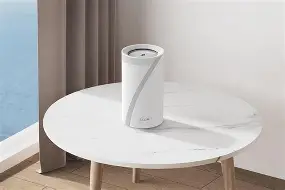
The Tp Link Deco Be65 Outdoor is positioned as a purpose-built outdoor network node intended to extend home or small-business Wi‑Fi into yards, courtyards, patios, and other outdoor spaces. For users who rely on laptops outdoors — students studying on a porch, remote workers moving between indoor and garden setups, or event hosts streaming video from a backyard — having consistent network coverage matters. The Deco BE65 Outdoor targets that gap with weatherproofing, long-range antennas, and mesh compatibility with a broader Deco ecosystem.
Oakley Meta Vanguard — what it is and who it’s for
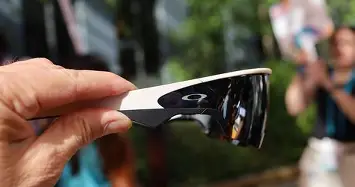
The Oakley Meta Vanguard sits in the emerging category of connected eyewear. It blends Oakley’s legacy around durable frames and optics with smart features designed to present information hands‑free. For laptop users who want to reduce context switching — for example, anyone who wants quick glanceable notifications, navigation cues while commuting between home and coworking spaces, or hands‑free media controls while multitasking — this type of wearable can change how time around a laptop is used. Buyers typically weigh comfort, battery life, and the quality of the heads‑up experience when evaluating such devices.
Detailed Review and Analysis
Design and Build
Tp Link Deco Be65 Outdoor prioritizes durability. Its casing, mounting hardware, and ingress protection are designed for long-term outdoor exposure. The design tradeoff here is that a rugged exterior tends to make the unit larger and less unobtrusive than indoor-only nodes. Installation typically involves mounting on a wall or pole, routing power (PoE or a weather-rated adapter), and positioning for optimal line-of-sight to the area it needs to cover.
Oakley Meta Vanguard emphasizes ergonomics and style. Oakley’s background in sports eyewear informs frame geometry that aims to stay secure during movement while remaining comfortable during extended wear. For laptop-focused sessions, the critical factors are weight distribution, nose and temple comfort, and whether the added electronics introduce hot spots or pressure points after hours of use.
Connectivity and Integration with Laptops
Deco Be65 Outdoor is first and foremost a networking appliance. It plugs into an existing Deco mesh or acts as an access point to provide Wi‑Fi to laptops and other devices. For users who move between indoor desks and outdoor seating, a mesh-based solution means laptops tend to maintain connections without manual reconnection or VPN hiccups. In addition, wired backhaul options and PoE support simplify deployment for a stable link.
Oakley Meta Vanguard augments connectivity rather than supplying it. It typically pairs with a phone or laptop via Bluetooth or other wireless links to receive notifications, audio, or limited visual overlays. The wearable’s value for laptop users comes from reduced reliance on switching windows and devices: quick notification previews, call acceptance, or heads‑up timers while deep in work can shave friction out of a workflow. Integration quality depends heavily on companion software, driver support, and how notifications are handled between operating systems.
Performance and Real-World Use
In real-world scenarios, the Deco BE65 Outdoor shines when coverage is the constraint. Consider a freelance graphic designer who moves between an indoor studio and a backyard shooting area. Without a dedicated outdoor node, large file transfers and cloud syncs can stall or fall back to mobile hotspots with slower uplink. With an outdoor Deco node, the designer experiences consistent throughput and lower latency during video calls or remote editing sessions.
The Oakley Meta Vanguard’s tangible benefits appear in contexts where glanceable information and hands-free control shorten interruptions. A laptop user working on complex tasks can use the glasses to receive meeting alerts, see navigation on the way to a coffee shop, or manage media playback without breaking concentration. However, wearables rarely replace a laptop screen for productivity; instead, they complement it by making small but repetitive interactions less disruptive.
Find top-rated Laptops & Computers products at great prices.
View Offers →Software, Security, and Updates
Networking devices like the Deco are judged on firmware, ongoing updates, and security posture. Buyers who care about protecting work data will look for regular firmware patches, WPA3 support, guest network isolation, and an intuitive management app that allows parental controls and traffic prioritization for work devices. Mesh systems that prioritize security updates reduce long‑term risk for laptops used for business or sensitive work.
Wearables raise privacy and security questions of a different kind: how data is processed, what is stored on the device, and how notifications are routed. Buyers often care if the wearable requires an always‑on companion app with broad permissions or whether it processes as much as possible locally. For work use, the ability to disable features or separate work/personal notification channels is important.
Pros & Cons
Tp Link Deco Be65 Outdoor — Pros & Cons
- Pros:
- Designed for extended outdoor coverage to support laptops and mobile devices in exterior spaces
- Weatherproof build and robust mounting options for long-term deployment
- Mesh compatibility reduces the need for manual reconnection when moving between indoor and outdoor areas
- Often supports wired backhaul and Power over Ethernet for stable installations
- Cons:
- Requires installation and may need a powered Ethernet run — not as plug-and-play as indoor extenders
- Bulkier appearance; may not suit every property aesthetic
- Performance depends on placement and line-of-sight; trees, walls, and reflective surfaces can reduce range
Oakley Meta Vanguard — Pros & Cons
- Pros:
- Hands-free glanceability can reduce workflow interruptions for laptop users
- Designed with comfort and sport-grade durability in mind, suitable for commuting or quick outdoor tasks
- Can surface key information (calls, messages, navigation) without reaching for a phone or switching windows
- Cons:
- Limited replacement value for primary laptop tasks — mostly complementary functionality
- Battery life and comfort on long sessions are common buyer concerns
- Integration quality varies by platform; limited or inconsistent features on some operating systems
- Privacy and notification management requires attention to avoid oversharing or unwanted interruptions
Comparison Table
| Category | Tp Link Deco Be65 Outdoor | Oakley Meta Vanguard |
|---|---|---|
| Primary purpose | Extend and stabilize Wi‑Fi coverage outdoors | Wearable heads‑up information and media controls |
| Best for | Users who need reliable connectivity for laptops in external spaces | Users who value hands‑free notifications and glanceable info while mobile |
| Installation | Mounting and network wiring (may require PoE); semi‑permanent | Wear and pair; minimal setup but depends on companion app |
| Integration with laptops | Direct network improvement for any Wi‑Fi device | Indirect: pairs to devices for notifications and control |
| Mobility | Fixed installation; covers a defined outdoor area | Highly mobile; follows the user wherever they go |
| Durability | Weatherproof and ruggedized | Frame designed for activity; electronics require careful handling |
| Privacy & Security | Network security features are critical; firmware updates matter | Notification privacy and data handling depend on software policies |
| Value to laptop users | High, when outdoor coverage is a bottleneck | Moderate to high, when hands‑free glanceability reduces friction |
Buying Guide: How to Choose Between Them
Choosing between the Deco BE65 Outdoor and the Oakley Meta Vanguard is largely a question of which problem a buyer wants to solve. Below are the factors to consider, aimed specifically at people who use laptops frequently and want to improve their day‑to‑day experience.
1. Define the primary need
If the primary pain point is dropped connections, slow uploads, or unreliable video calls when working outdoors, prioritize the Tp Link Deco BE65 Outdoor. If the problem is frequent interruptions, context switching, or the desire to keep hands free while still receiving timely information, the Oakley Meta Vanguard is more relevant.
2. Consider installation and permanence
Deco outdoor nodes often require a semi‑permanent installation. Check whether running Ethernet or installing PoE is feasible. If you live in rented accommodation or move frequently, factor in the installation overhead. Wearables are inherently portable and less disruptive to set up.
3. Think about integration with existing systems
For the Deco, make sure it plays nicely with the existing router or mesh ecosystem. Laptop users who rely on VPNs or enterprise networks should confirm compatibility and whether any network changes are needed. For the Oakley Meta Vanguard, verify software compatibility (operating systems, required companion apps) and whether the feature set aligns with the platforms the buyer uses daily.
4. Prioritize privacy and security
Network hardware should receive regular firmware updates and support contemporary encryption standards. For wearables, scrutinize what data is collected and how notifications are routed. Laptop users working with sensitive information should balance convenience with the responsibility to protect work data.
5. Evaluate real-world endurance
Weather exposure, UV, humidity, and temperature swings impact outdoor hardware. For wearables, battery life, sweat resistance, and frame durability are key. Real-world reviews and user feedback about long-term performance are valuable sources of insight.
6. Budget and value
These products typically sit in different price ranges and deliver value for different reasons. Think of the Deco as an infrastructure investment — it brings consistent benefits across multiple devices including laptops, tablets, and smart home gear. Consider the Oakley Meta Vanguard as a productivity accessory that yields cumulative gains through time saved from interrupted workflows.
Looking for the best Laptops & Computers deals on Amazon?
Shop Amazon →7. Try-before-you-commit, when possible
For wearables, short-term trials or testing at a store (to assess comfort and fit) help reduce buyer’s remorse. For networking gear, temporary returns policies or borrowing equipment can validate coverage improvements before committing to permanent installation.
Real-World Use Cases
Use case: Remote work from a garden office
A person who alternates between a kitchen desk and a garden office will benefit from installing the Deco BE65 Outdoor to avoid roaming disruptions during video meetings and to ensure cloud backups complete reliably. The wearable in this context plays a secondary role — it can help receive meeting reminders without switching windows, but it won’t fix bandwidth constraints.
Use case: Commuting and quick edits between locations
Someone who travels between coworking spaces and cafes may appreciate the Oakley Meta Vanguard for hands‑free navigation and call handling on the move. The glasses reduce the need to pull out a phone, while the laptop remains the primary tool for content creation once seated.
Use case: Outdoor content creation and live streaming
Live-streamers, event photographers, and field researchers who need solid uplink will find an outdoor network node transformative. The Deco can stabilize connections for live uploads and remote monitoring. The wearable can supplement this workflow by surfacing camera status or timers without needing to step back to the laptop screen.
Conclusion
Both the Tp Link Deco Be65 Outdoor and the Oakley Meta Vanguard serve clear but distinct purposes for laptop users. The Deco is an infrastructure solution: it addresses network reliability and coverage, especially for users who work or recreate outdoors and need their laptop to remain fully connected. The Oakley Meta Vanguard is a productivity accessory that reduces the friction of small, recurring interactions by bringing glanceable information into the user’s line of sight.
Choosing between them comes down to which friction points matter most. If connectivity — stable, high‑quality Wi‑Fi outdoors — is the limiting factor for productive laptop use, an outdoor mesh node delivers measurable gains across devices. If interruptions, context switching, and mobility are the primary concerns, a wearable that surfaces notifications and controls hands‑free can improve focus and convenience.
For many users the real answer is not one or the other but both in sequence: investing in robust network infrastructure first, then evaluating wearables to streamline the human side of interaction. Buyers should prioritize proven compatibility, realistic assessments of installation or comfort, and a clear picture of how each device will change their everyday laptop workflows.