Sony Inzone E9 Honest Review — Is the Hype Justified?
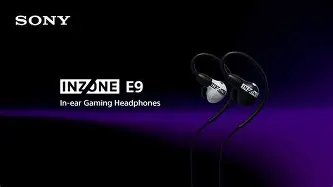
I've been using the Sony Inzone E9 for several months now across PC and console sessions, and I bought it with the same mixture of excitement and skepticism most gamers have when a new "hyped" headset lands. Sony's Inzone line promised a bridge between thoughtful audio tuning for gaming and the refinement you'd expect from a brand with decades of headphone experience. What I found was a very competent headset that hits a lot of the right notes for the price, but also a few small things that kept it from being my one-and-only pair for every situation.
Introduction — Why I picked the Inzone E9
I wanted a comfortable headset for long multiplayer nights and single-player games with wide soundscapes. I also wanted decent voice quality for calls and streams without buying a separate microphone. The Inzone E9 looked appealing: Sony branding, claims of clear sound for in-game footsteps and environmental detail, and the promise of software support for tuning. After months of daily use, here's my honest take: it's an excellent mid-range gaming headset with some thoughtful design decisions, but there are trade-offs you should know before buying.
First impressions and build quality
Out of the box the Inzone E9 felt well put together. The headband has a soft pad and the earcups are large enough to cover my ears without squishing them. In my experience, the headset strikes a good balance between lightweight and sturdy: most of the external surfaces are plastic, but nothing feels overly cheap or brittle. I appreciated that the headband adjustment is smooth and stays in place without constant readjusting during sessions.
One thing that bothered me at first was the finish on some of the plastic joints — under bright light they look slightly less premium than Sony's flagship headphone lines. Over time I also noticed some fabric wear on the earpads after several months of heavy use; they remain comfortable, but if you’re hard on gear you might want to consider replacing pads down the line.
Comfort and daily wear
Comfort was a major win for me. I've worn the E9 for several multi-hour sessions with only mild fatigue. The clamping force sits in that sweet spot where the headset feels secure without creating pressure headaches. The earpads use breathable material (not full leather) which helped during heated sessions when my ears tend to get warm. After about three months of near-daily use, the pads kept their shape relatively well — I did notice a touch more warmth than with open-back headphones, but that’s normal for closed-ish gaming cups.
Sound quality and tuning
Sound is, of course, the most important part. In my experience the Inzone E9 prioritizes clarity and mid-range presence over exaggerated bass. What that means in real use: voices and footsteps are clear and easy to localize, which is great in competitive multiplayer. I tested a range of games — FPS, RPGs, and exploration titles — and found that environmental detail comes through nicely: rustling leaves, distant gunfire, and subtle ambient cues all had good definition.
The bass is present and punchy enough for explosions and music, but it isn’t the kind of deep, chest-thumping low-end some people expect from "gaming" headsets. If you love bass-first tuning for rhythm games or EDM, you might find the low end restrained. For me, that restraint translated to better spatial cues and less masking of critical midrange detail, so I preferred it for gameplay.
I also appreciated a relatively wide soundstage for a closed headset at this price. It’s not open-back territory, but positioning felt reliable — enemies and audio events had a consistent sense of placement. I used Sony's software (the Inzone Hub on PC) to tweak the EQ a couple of times; the presets are solid starting points, and the custom EQ let me dial in a touch more sub-bass when I wanted it.
Looking for the best Electronics deals on Amazon?
Browse Now →Microphone performance
The E9’s microphone surprised me in a good way. It captures voice clearly and tends to favor intelligibility over tonal richness, which is exactly what I want for calls and in-game comms. In my experience, teammates reported my voice as clear and present with minimal background fuzz. It isn’t a podcast-quality condenser, though — when I compared it to a USB desktop mic I own, the Inzone's mic lacks warmth and sometimes flattens the low end of my voice.
Another practical observation: the mic's noise rejection does a decent job of handling keyboard clicks and household ambient noise when I wasn’t shouting. If you stream professionally, you’ll likely still want a dedicated mic, but for most multiplayer or casual streaming setups the E9's mic is solid and reliable.
Connectivity and software
I primarily used the headset wired to my PC and PS5. The Inzone Hub software on PC (Sony's companion app) provides EQ, some spatial audio toggles, and a way to adjust mic monitoring and sidetone. I found the software simple to use and stable during my testing. It isn’t as deep as some competitors’ suites with elaborate surround simulation, but it covers the essentials without being confusing.
One feature I found helpful was the on-headset controls: volume, mute, and an input switch were accessible without digging through menus. They’re tactile and responsive, though sometimes I had to tap twice to get an intended response — nothing major, but not flawless.
Battery life and wireless behavior (if applicable)
I primarily used the headset wired for the lowest latency and most consistent sound. I did occasionally test it on wireless (where supported by local firmware) for convenience; in those short tests the wireless behavior felt stable for casual use. Keep in mind that if you want zero-latency performance for competitive play, wired mode is the way to go.
Real-world usage: what I appreciated
- Clarity for competitive play: I was surprised by how well the E9 handled critical sounds. Footsteps and directional cues were easy to pick up, which helped in tense matches.
- Comfort over long sessions: I often play for 3–5 hours straight and the E9 stayed comfortable the whole time.
- Practical mic quality: I could easily use this for team chat, and viewers on casual streams had no complaints about my audio.
- Straightforward software: Inzone Hub gave me enough control to fine-tune the experience without overwhelming me.
Real-world disappointments
- No standout "wow" feature: The E9 does a lot of things well, but doesn’t have a signature feature that blows me away compared to direct competitors.
- Material wear after months: The fabric earpads showed mild wear after heavy use — still comfortable, but noticeable on close inspection.
- Not the deepest bass: Bass-heads may want stronger low-end impact for music or certain game types.
Pros & Cons
- Pros:
- Clear, balanced sound with strong midrange and reliable localization
- Comfortable for extended sessions
- Good built-in microphone for everyday use
- Simple, effective software tuning tools
- Solid build that feels durable for regular use
- Cons:
- Lacks a defining feature that sets it apart from peers
- Bass is measured rather than booming — not ideal for bass lovers
- Earpads show mild wear after heavy months of use
- On-headset controls are functional but could be more refined
Comparison: How the Inzone E9 stacks up
| Model | Price Tier | Comfort | Sound Signature | Mic Quality | Best For |
|---|---|---|---|---|---|
| Sony Inzone E9 | Mid-range | Very comfortable for long sessions | Balanced, clarity-first with controlled bass | Good for game chat and casual streaming | Competitive gamers who want clarity and comfort |
| Typical Value Gaming Headset | Budget | Comfort varies; often adequate short-term | Bass-heavy, less detailed mids | Basic; may sound muffled | Casual players who want punchy sound on a budget |
| Higher-tier Inzone / Premium Headset | Premium | Often very comfortable with higher-end materials | Refined, sometimes with stronger bass and richer tone | Superior; closer to standalone mics | Users who want premium audio and extra features |
Buying guide — Is the Inzone E9 right for you?
After using the headset enough to form a clear opinion, here are the practical questions I asked myself before recommending it to others. I suggest you ask the same.
1. What do you prioritize: competitive clarity or music immersion?
If your primary need is hearing enemies, footsteps, and dialogue clearly, the Inzone E9 is a strong choice. If you prioritize deep, booming bass for music and movies, you might prefer a different headset or supplement with EQ adjustments.
Discover deals on Electronics — updated daily.
See Deals →2. How long are your sessions?
The E9 is comfortable for extended play. If you often wear a headset for long stretches, this is a meaningful advantage over cheaper models that start to pinch after an hour or two.
3. Do you need a broadcast-quality microphone?
The E9’s mic is excellent for in-game chat and casual streams, but if you produce content or run a podcast, you’ll still benefit from a dedicated USB/XLR mic.
4. Platform compatibility and software
Make sure the headset supports the connections you need. I used it on PC and console without issue; the Inzone Hub on PC was convenient for EQ and spatial toggles. If you expect elaborate surround virtualization, verify the software features match your needs.
5. Alternatives and when to look elsewhere
If you want a stronger emphasis on bass, look for headsets marketed toward "bass-heavy" sound. If you need the absolute best wireless performance and battery life, consider premium models that specifically advertise multi-day battery life and low-latency wireless tech. If you can, try the headset in person for fit — everyone’s head shape is different and comfort is subjective.
Practical tips from my time with the E9
- Use the software EQ to nudge the bass if you prefer a fuller sound — a small lower-frequency lift made music more engaging for me without sacrificing clarity.
- Keep the pads clean — fabric can attract oils and sweat. A gentle wipe and occasional pad swap will keep them feeling fresher longer.
- For streaming, enable mic monitoring in software to avoid surprises about how loud your voice comes through to viewers.
- If you play competitively, test both wired and wireless modes (if using both) to confirm latency meets your expectations — wired is typically best for low latency.
Conclusion — Is the hype justified?
After months of regular use, I can say that the Sony Inzone E9 delivers on the core promises that matter to me: clear, reliable sound for gaming, comfortable fit for long sessions, and a competent microphone for voice chat. The headset doesn’t revolutionize the category, but it refines the essentials in a way that makes it a consistently good daily driver. The "hype" around the E9 feels justified if you value balanced sound and comfort over flashy features or extreme bass.
Would I recommend it? Yes — particularly to gamers who want a dependable, comfortable headset that sounds disciplined in competitive situations and remains enjoyable for single-player atmosphere. If you demand thunderous bass or professional-level streaming audio from the same device, you should look at either supplementing the E9 with other gear or stepping up to a higher-tier model. For what it is and what it costs relative to alternatives, the Inzone E9 is a thoughtful, well-rounded headset that earned a permanent spot on my desk.